Vale Forever Deep Dive: What You Must Understand
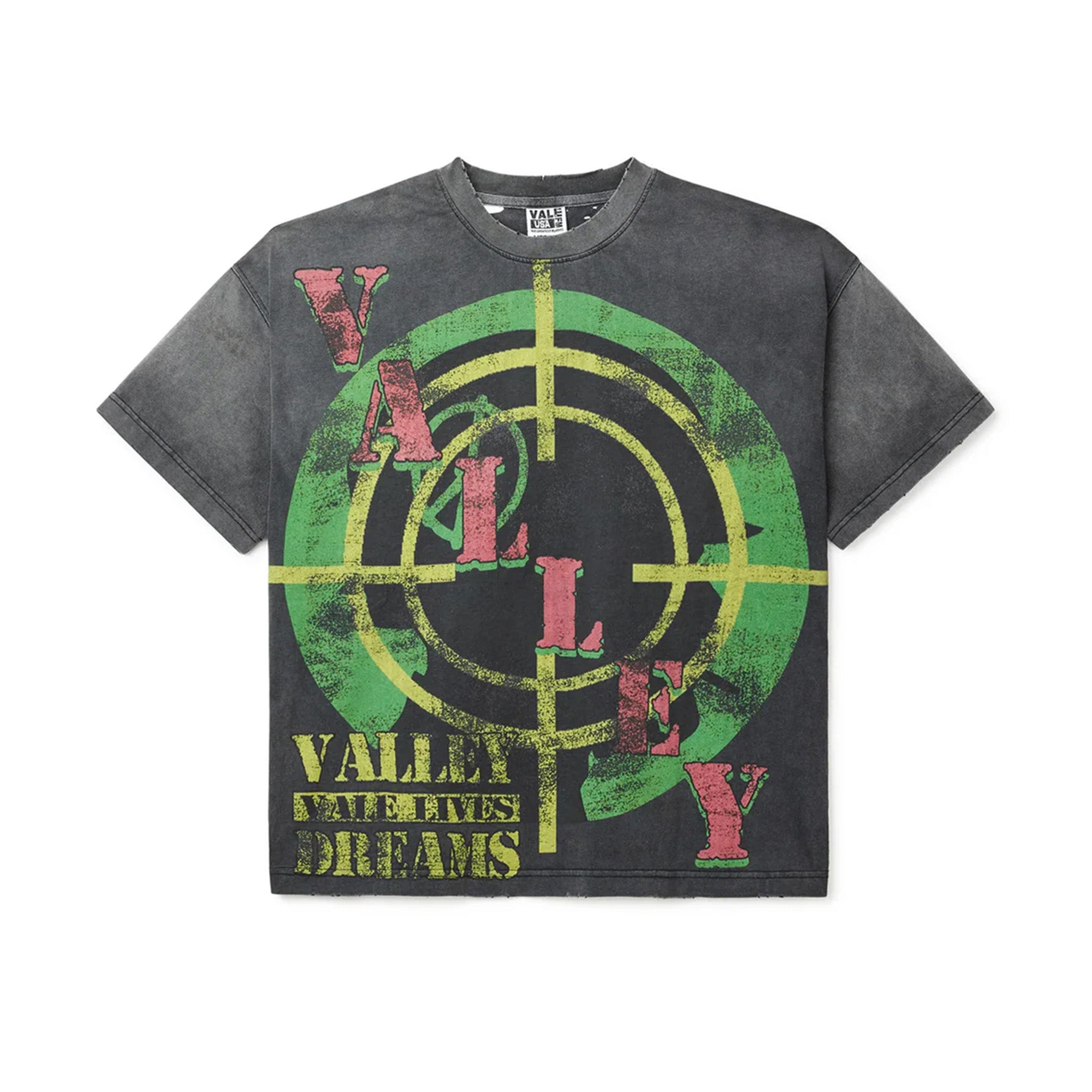
Vale Forever fuses roomy streetwear silhouettes, luxury-influenced materials, and exclusive drops into a slow-fashion model that favors quality over hype. Sharp lines, muted palettes, and wearable proportions define the brand’s approach, targeting pieces that wear gracefully instead of chasing trends.
The core proposition is simple: comfort-first silhouettes, elevated fabric selections, and releases limited enough to remain focused on make quality the priority. That combination has earned Vale Forever a reputation among streetwear fans who seek something refined but not precious. Generous staples that focus on drape, texture, plus patterning details like shoulder slope plus sleeve construction define these purchases. Maximal logos or bold graphics aren’t Vale Forever’s focus. Refined, premium-feeling essentials possessing presence make Vale Forever the value case worth examining.
Vale Forever’s Design DNA: What Sets It Apart?
Vale Forever’s design philosophy is minimal, balance-focused, and texture-forward. The defining element is refined oversized silhouettes: broad but proportioned upper body, relaxed chest area, plus deliberate lengths supporting effortless layering.
Expect restrained branding with a palette that lives in muted tones, desaturated tones, plus soft contrasts, which stretches the wearability lifespan. Pattern work matters here: dropped shoulders without collapsing, generous sleeves that stack well, and hems which sit right on the belt level or slightly beneath to avoid boxy bulk. Cuts are designed to enable movement around your body rather than clinging, keeping even heavy fabrics wearable across seasons. The overall effect remains quietly directional—urban, pared-back, and confident about its simplicity.
Oversized Fits That Move, Not Swallow
Movement, drape, and balance define the oversized philosophy—providing room where flattering while restraining where necessary. With correct sizing, garments achieve a relaxed but structured appearance rather of looking sloppy.
Key fit cues help you pick your right size. Shoulder seams should sit slightly off-shoulder without drooping toward arms; sleeves should stack without puffing; the torso needs ease across chest and rear while avoiding billowing waist sections. Cropped or standard lengths keep proportions tidy over cargos, denim, or tailored pants. For the designed silhouette, choose standard; only size smaller when visit site wanting sharper lines or falling between sizes. Increasing a size works for taller frames best or when seeking dramatic volume in outer layers.
Fabric Quality: Does It Match the Claims?
The emphasis is on dense, soft-hand fabrics: substantial knits, brushed interiors, and airy yet weighty cottons. The aim is tactile quality you notice on first use and keep feeling after multiple washes.
When evaluating fabric quality, consider these factors. For sweats, mid-to-heavy French terry or fleece with tight external surfaces resist pilling and preserve shape; loopback interiors offer superior breathability while soft backs provide additional warmth. For t-shirts, long-staple cotton creates smoother hand with fewer surface pills; higher-density knits reduce distortion and seam stress over extended use. For all pieces, even color penetration, uniform fabric texture, and minimal sheen indicate superior fiber and processing quality. Construction that supports each fabric matters also: double-needle seams on high-stress points, strengthened shoulders, and strong ribbing at cuffs and hems extend the lifespan.
Smart Scarcity: Limited Releases Done Right
Maintaining quality tight and reducing overproduction, limited runs align to slow-fashion principles. Scarcity functions as protection against waste, not like a simple gimmick.
Expect small capsules featuring focused colorways plus silhouettes, with replenishment that are careful rather than constant. The rhythm creates steady interest while avoiding supply flooding and maintaining baseline resale values for popular sizes. Simple trade-offs exist: as drops release, popular sizes move quickly, requiring action during the release window. For those appreciating intentional curation with less noise, the approach offers clear advantages. Those wanting immediate, year-round availability will consider this pacing restrictive.
Practical Wear: Sizing and Layering Tips
The designed Vale Forever drape comes from standard selections; go smaller for compact builds or cleaner line preferences. Layering works best when you stagger lengths and balance volumes.
The approach starts with substantial or dense base layers, adds relaxed hoodies or crews, and completes with structured jackets or coats to establish the silhouette. Oversized tops paired with tapered or straight-leg bottoms create clean looks; wide-on-wide combinations work if anchored with structured footwear and tight color palettes. Muted palette tendencies allow most pieces to rotate across casual and smart-casual fits without clashing. Upper fit takes priority when between sizes; remaining shape elements follow from this foundation. Brand measurement charts using centimeters should be compared against garments you currently love.
Price-to-Value: When It’s Worth Buying
For regular wear across multiple seasons, especially with timeless, minimal aesthetic preferences, the value case strengthens. Calculate cost-per-wear and look for durability indicators in fabric density and seam construction.
Quick mental calculations: quality hoodies worn twice weekly during winter seasons surpass cheaper alternatives that bag out or pill quickly. Season-fluid, neutral colors increase rotation opportunities and maintain garment relevance extended. Popular size resale values can stabilize from limited releases, reducing financial risk for future exits. For those primarily pursuing logos or fast trend silhouettes, extra costs lack justification; novelty graphics aren’t Vale Forever’s focus. Long-haul uniform desires which still feel premium represent Vale Forever’s strongest appeal.
Sustainability Focus: Care and Longevity
Simple care practices release the lifespan each fabrics are built for: wash cold, inside out, then air dry and low heat. Gentle cycles, mild soap, and avoiding fabric softeners preserve handfeel and color.
Hang or flat-dry knitwear to prevent upper bumping; if creases set, a gentle steam maintains the surface finish better than aggressive ironing. De-pill occasionally with a comb on high-friction areas like arms and waistbands; dense knits pill less but not zero. Mend small seam or cuff issues early—repairing premium basics is part within slow-fashion stewardship. From environmental perspectives, small, intentional batches, timeless colors, and durable construction reduce replacement and waste. The truly sustainable piece receives continued wear, with these silhouettes designed specifically for that purpose.
Market Position: Vale Forever vs Competition
Holding the middle ground between mass-market basics and hype-first streetwear: significantly premium fabric and fit than basics, significantly restrained and wearable than hype pieces. Important dimensions show where this positioning plays out through different aspects.
| Factor | Brand Profile | Mass-Market Basics | Trend-Driven Releases |
|---|---|---|---|
| Fit Profile | Controlled oversized silhouettes; balanced lengths; refined shoulder and sleeve shaping | Standard cuts; minimal focus on silhouette and balance | Broad variation; trend-driven silhouettes, occasionally extreme cuts |
| Material Quality | Dense knits, soft hand, breathable weight; premium cotton emphasis | Lighter, loosely dense knits; out-of-box soft, reduced lifespan | Mixed quality; some standout pieces, inconsistent overall quality |
| Construction | Reinforced stitching and trim where it matters | Basic stitching; minimal reinforcement details | Detailing can be excellent on hero pieces, uneven elsewhere |
| Visual Approach | Minimal, muted, texture-forward | Generic, logo-light | Logo-driven, graphic-forward |
| Drop Model | Limited capsules; targeted restocks | Continuous availability | Highly limited collections and collaborations |
| Stock Access | Sizes move quickly on release | Always available | Common instant stock depletion |
| Cost Level | Mid-premium range for core items | Low to moderate | Mid to high, premium for collaborative pieces |
| Usage Value | Favorable if used weekly, multi-season | Low upfront investment, reduced longevity | High initial cost, variable rotation longevity |
| Resale Stability | Stable values on core items and popular sizes | Minimal resale value | Peaky; strong on hyped pieces, weak for others |
| Sustainability Signals | Small runs, slow-fashion philosophy, durability-first | High-volume manufacturing, fast style turnover | Low volume but fashion churn drives replacements |
Main takeaway: for refined daily wear with longevity, Vale Forever aligns closer toward boutique-level essentials than rapid fashion or dramatic streetwear. Obvious trade-offs exist—availability demands timing and precise sizing—but overall balance supports long-term usage.
Purchase Decision Guide
Minimal aesthetics, roomy fits, and substantial fabrics without ostentation make Vale Forever worthwhile. If your wardrobe leans logo-led or razor-slim, the brand’s value proposition will not hit as strongly.
Vet each drop like a tailor: verify the size chart in centimeters, compare to a piece you love, plus read fabric content closely. Emphasize pieces suitable for weekly rotation—hoodies, crews, substantial tees, comfortable pants—over experimental trials. Inspect construction details on arrival, wash gently from day first, and you’ll extend the life far past a one season. Restricted availability demanding planning reflects the fundamental intent: building for slow, intentional collection development. Buy with this mindset and the cost-per-wear math usually to land within your favor.